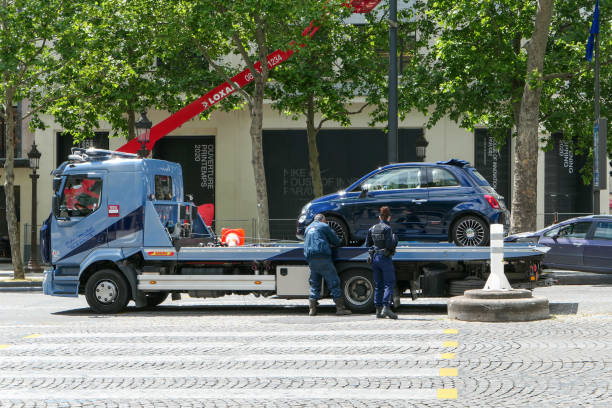
Choosing the right cover feels confusing for many drivers. France offers several options with very different levels of protection. Auto insurance France mainly splits into two big families. On one side stands third party, the legal minimum. On the other side sits comprehensive, the fullest protection. Between them lie useful intermediate formulas. Which one truly fits your car and your budget? And where do the intermediate formulas fit in? This guide compares both options, clearly and simply.
Why car insurance is mandatory in France
France requires insurance for every registered vehicle. Even a parked, unused car must stay insured. The law demands at least third party liability cover. This rule applies to every driver alike. It stands among the strictest in Europe. Thus, driving uninsured breaks the law immediately.
Uninsured driving exposes you to heavy penalties. You risk a large fine and possible vehicle seizure. Moreover, you become liable for all damage you cause. A single accident could then ruin you financially. Police checks catch offenders quickly today. Therefore, valid cover protects both others and yourself.
Understanding third party cover
Third party cover forms the legal baseline in France. The French call it assurance au tiers. It pays for damage you cause to others. It satisfies the strict legal requirement. It remains the cheapest option available. Thus, it protects victims, not your own car.
This cover handles bodily injury and property damage to others. It also protects passengers hurt in your vehicle. However, it ignores your own repairs entirely. Its scope stays deliberately narrow. It meets the law, nothing more. Therefore, you bear those costs alone.
What third party does not cover
Third party leaves several important gaps in protection. It never repairs your own damaged vehicle. It also ignores theft, fire and vandalism. Broken glass falls outside its scope too. Weather damage stays your problem as well. Thus, you carry these risks yourself.
A serious accident can then cost you dearly. You pay for your own repairs entirely. Moreover, a total loss brings no compensation. The financial shock can prove severe. It fits mainly older, cheaper cars. Therefore, this cover suits only specific situations.
Understanding comprehensive cover
Comprehensive cover offers the widest protection available. The French call it assurance tous risques. It repairs your car even when you cause the accident. It covers you as fully as the law allows. Few situations then leave you exposed. Thus, it protects you in almost every scenario.
This cover also handles theft, fire and vandalism. It often includes natural events and broken glass. Moreover, it covers damage without an identified third party. It may add assistance and legal support. It suits daily drivers who value security. Therefore, it brings real peace of mind.
The intermediate formulas in between
France also offers formulas between these two extremes. They often carry the name tiers étendu. These options add some guarantees to basic cover. They let you tailor protection to your needs. They remain popular with cautious drivers. Thus, they bridge the gap between both worlds.
Such formulas may include theft, fire or glass breakage. They cost less than full comprehensive cover. Moreover, they suit cars of medium value well. You add only the guarantees you value. This flexibility keeps the price fair. Therefore, they deserve serious consideration.
Third party vs comprehensive: the real difference
The core difference concerns your own vehicle. Third party protects others, but never your car. Comprehensive protects you, whoever caused the accident. This single point changes everything. It defines how much risk you keep. It also explains the price difference. Thus, the gap in protection stays significant.
Price naturally reflects this difference in cover. Third party costs clearly less each month. However, comprehensive limits your risk far better. A low premium may hide a costly gap. True value depends on your exposure. Therefore, the cheapest option is not always the wisest.
Which cover suits your car best?
Your choice should match your car’s real value. An old, low-value car rarely justifies full cover. Third party often makes sense in that case. Repair costs may exceed the car’s worth. Paying for full cover would waste money. Thus, you avoid paying for unnecessary protection.
A recent or valuable car deserves stronger protection. Comprehensive then becomes a wise investment. Moreover, a financed car often requires full cover. Your lender may even demand it. A leased car usually needs it too. Therefore, your situation guides the right decision. A specialist in car insurance in France can help you compare each option.
The role of the deductible
The deductible, called franchise, shapes your real costs. It represents the amount you pay after a claim. A low premium sometimes hides a high deductible. Two similar offers can differ sharply here. It directly affects your final payout. Thus, you must always check this figure.
A high deductible reduces your monthly premium. However, it raises your out-of-pocket cost after a claim. Moreover, several deductible types exist in France. Each type changes your final bill. A small saving may cost you later. Compare the deductible alongside the premium. Therefore, read these conditions with great care.
How the bonus-malus affects your price
France uses a bonus-malus system for every driver. Safe driving lowers your coefficient year after year. However, an at-fault claim raises it sharply. This coefficient multiplies your base price. It rewards careful drivers over time. Thus, your record strongly influences your premium.
This coefficient follows the driver, not the car. New arrivals often start without any bonus. Moreover, foreign records rarely transfer automatically. Some insurers accept a translated certificate. A good broker can help transfer it. It may lower your premium noticeably. Therefore, keep proof of your claim-free history.
Useful add-on guarantees to consider
Beyond the main tiers, several add-ons refine your cover. A driver protection guarantee covers your own injuries. Roadside assistance helps when your car breaks down. Some plans even assist from your doorstep. This matters greatly for daily commuters. Thus, these options strengthen your overall protection.
A courtesy car keeps you mobile after a claim. Legal protection supports you during disputes. Moreover, personal belongings cover protects items inside the car. Each add-on raises the premium slightly. Choose only what genuinely helps you. Therefore, tailor these extras to your real needs.
How to choose the right level of cover
A few simple questions guide your final decision. First, estimate the current value of your car. Then consider how often you drive it. Also think about where you park it. Finally, weigh the cost of a total loss. Thus, you match the cover to real risk.
Next, review your budget and your risk tolerance. Compare several quotes before you decide. Moreover, check deductibles and add-ons carefully. Verify the English-speaking support too. A broker can simplify this whole task. Therefore, an informed choice protects your wallet.
In conclusion, auto insurance France mainly opposes third party and comprehensive. Third party covers others, while comprehensive also protects you. Moreover, intermediate formulas offer a useful middle path. Thus, the right choice depends on your car and budget. No single option fits every driver perfectly. Do you hesitate between these different levels of cover? Assess your car’s value and lean on an English-speaking expert. You will then secure the protection that truly suits you.